Inquiries related to Tabernanthe iboga are exclusively reserved for institutional clients, university research centers, or legally authorized entities. Africa Oud Supply SA reserves the unconditional right to decline any incomplete, non-compliant, or personal-use request.
Tabernanthe iboga is treated as a strictly regulated botanical material — not a consumer product.
Tabernanthe iboga is a shrub native to Central Africa, known for its major cultural significance in Gabon and certain ancestral regional traditions. Due to its cultural, environmental and regulatory sensitivity, any transaction involving this botanical material must be handled with the utmost care and comprehensive documentation.
The Gabonese State treats iboga as a strategic and national cultural heritage. Wild exploitation and illegal trade of this plant are severely penalized in order to protect Gabon's biodiversity and the rights of local communities.
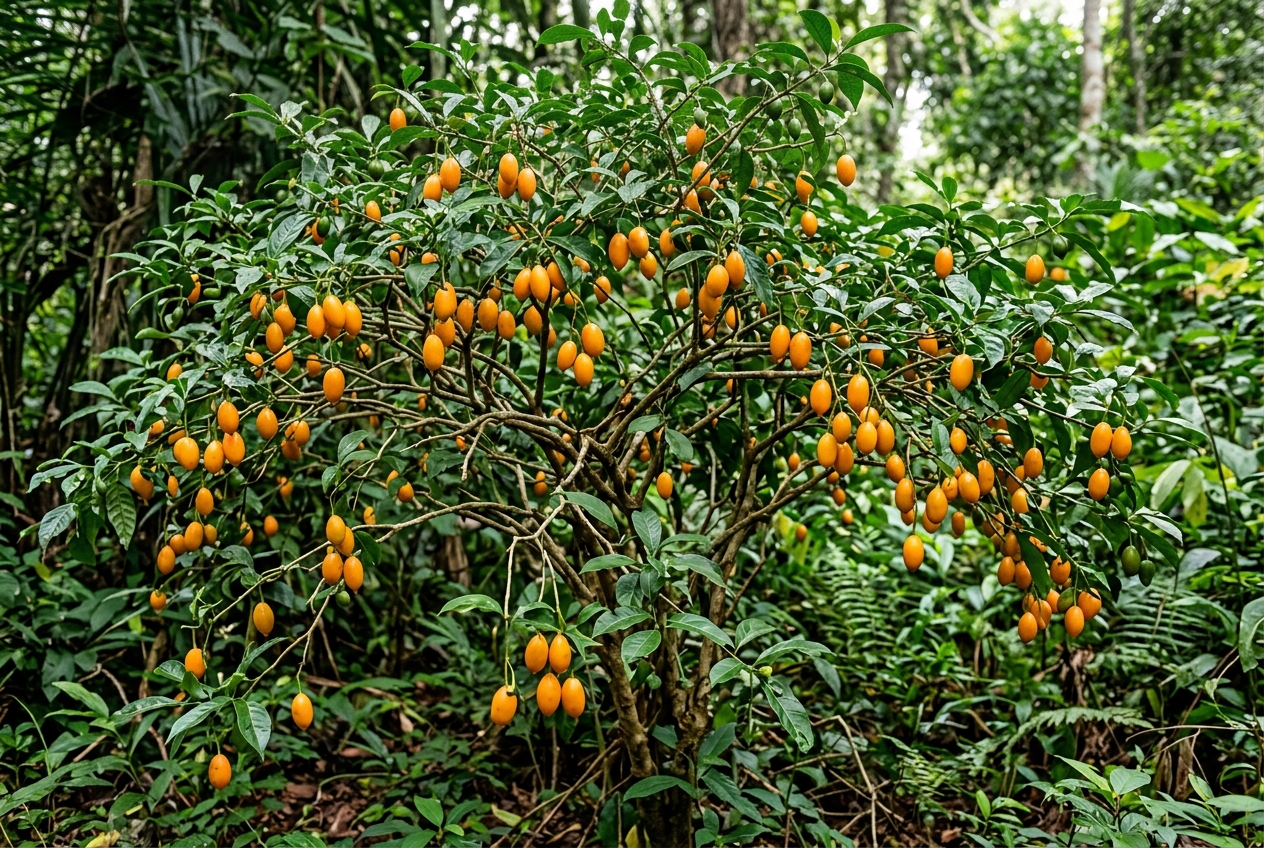
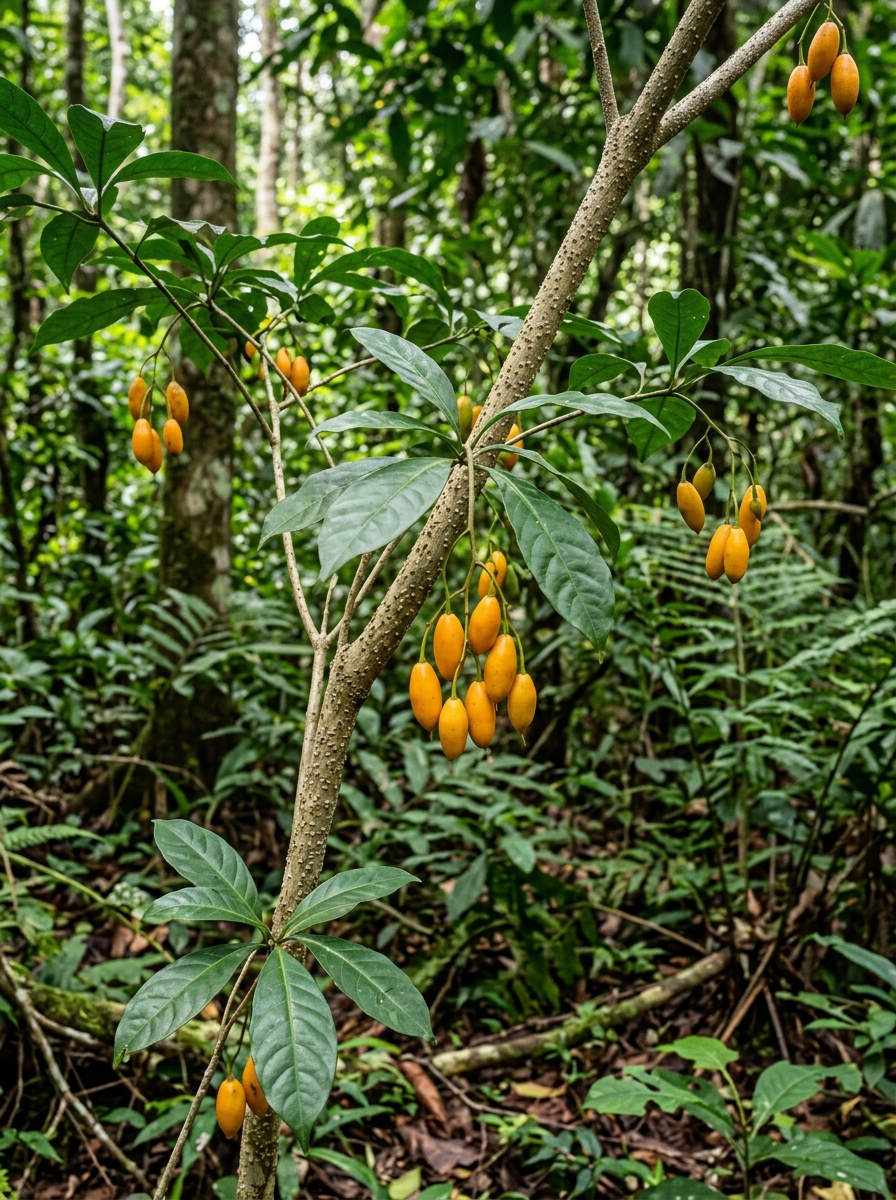
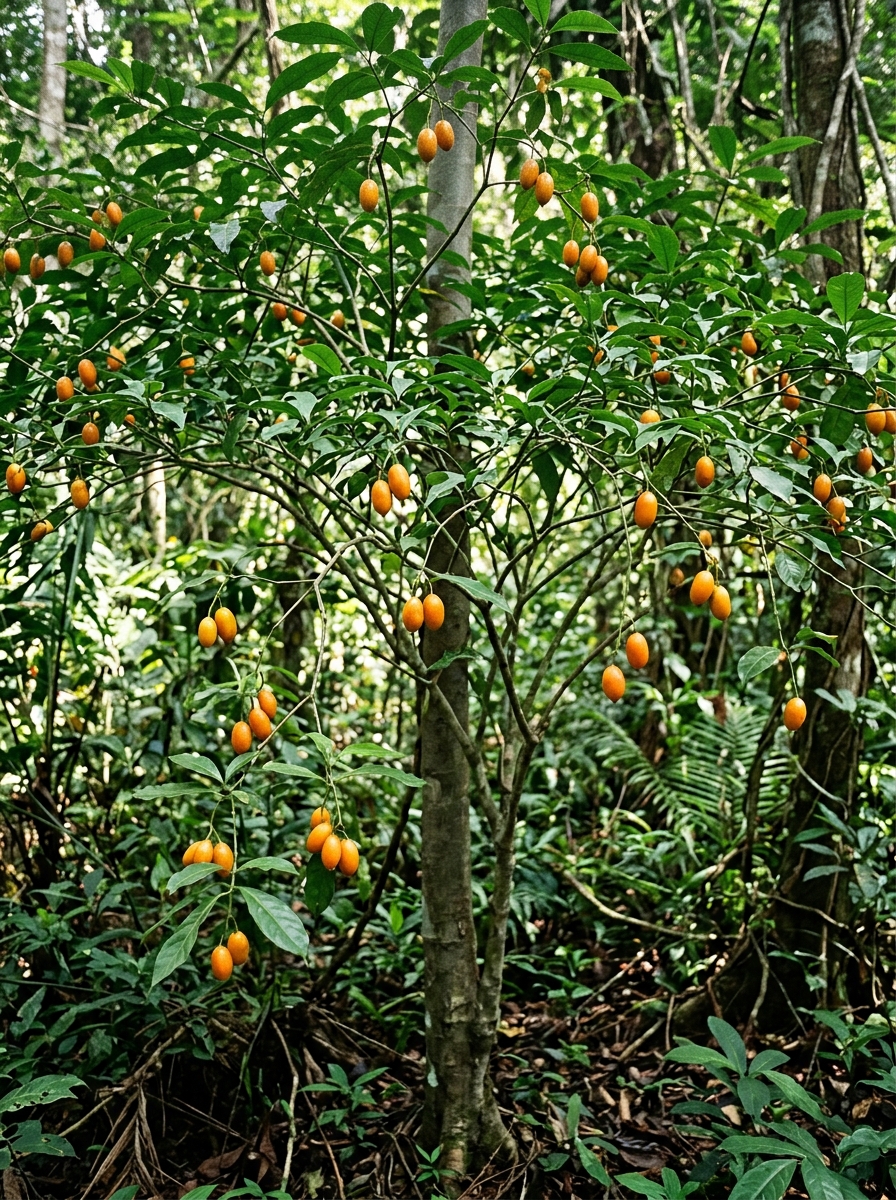
A glabrous shrub 0.5 to 4 metres tall, with a thin trunk (3–10 cm diameter) bearing smooth, pale grey to dark grey bark. Its slender, almost vertically erect branches are covered in pale brown to dark brown bark, dotted with characteristic warty grey-brown lenticels.
Opposite leaves, subsessile to distinctly petiolate, light or dark green above, paler below. Elliptical to obovate in shape, with a glabrous or pubescent surface on both sides, especially along the veins.
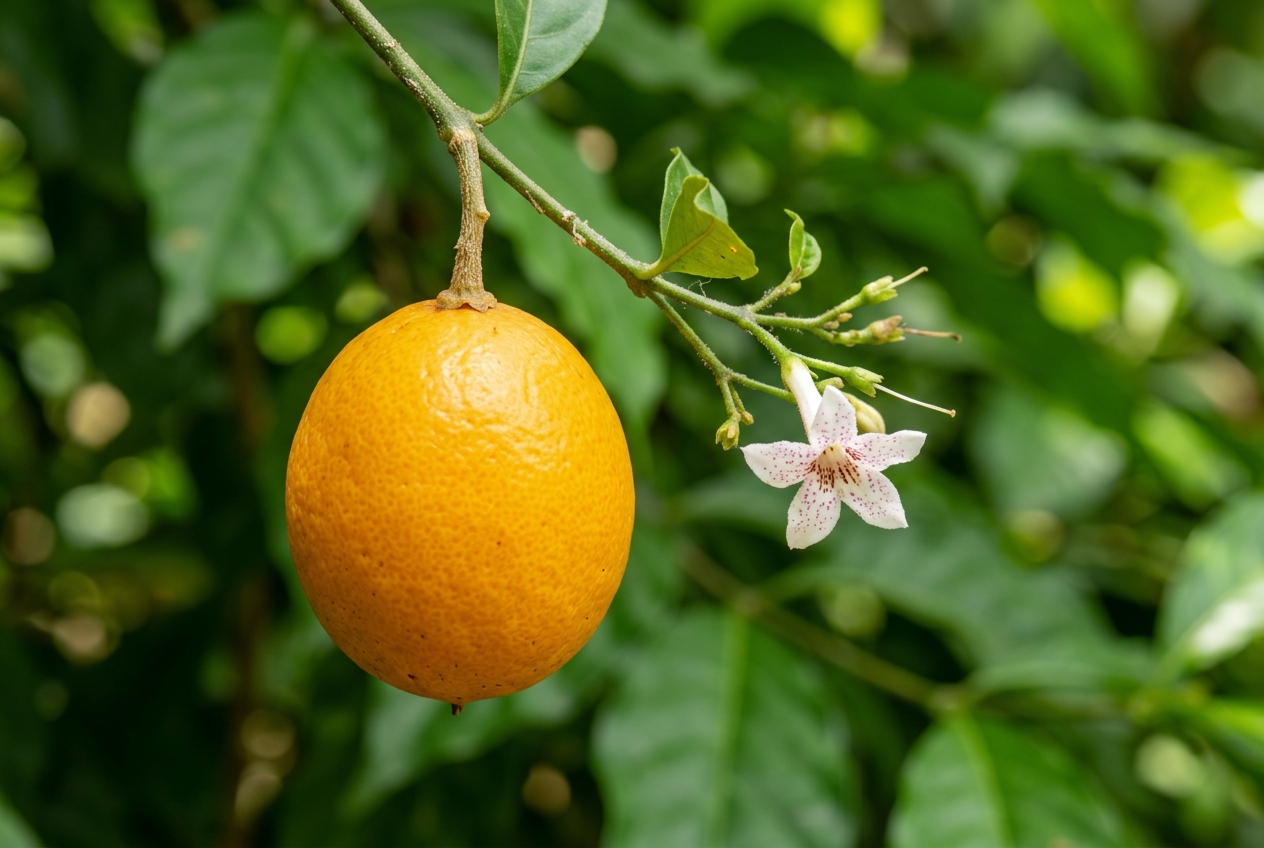
A berry, round or oval, orange-yellow in colour, measuring 3 to 7 cm in length, with a smooth or bumpy texture. Inside it contains several oval seeds 7–10 mm long, enveloped in a white, spongy pulp.
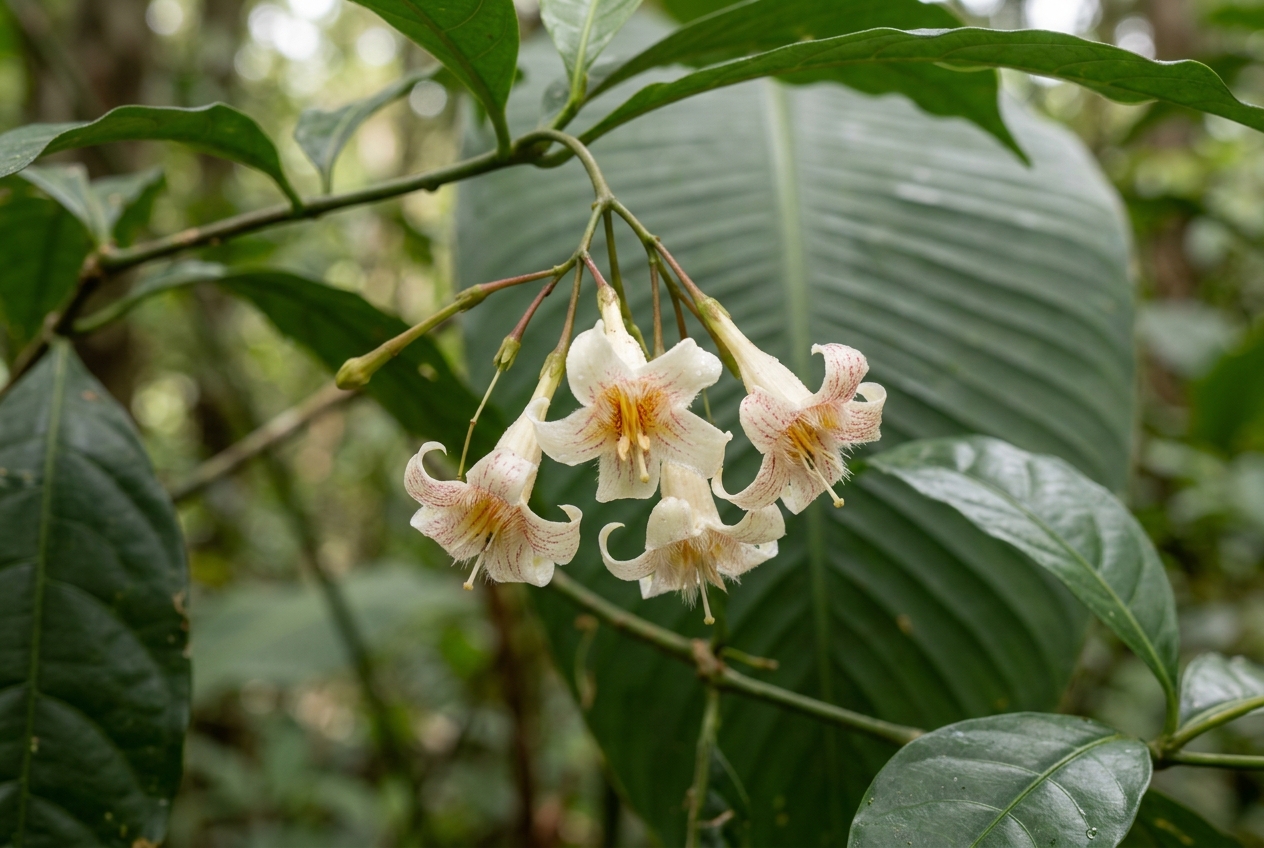
Fragrant, loose, with few flowers (up to twelve). The bracts are small and slightly hairy at the top, almost as long as the almost-free sepals. The calyx, persistent, remains under the fruit.
Forming a small oval head at the base of the bud, often bearing five groups of red, mauve or purple dots or bands. Hairy inside, almost cylindrical, widening at the opening. Stamens with glabrous anthers are attached to the corolla.
A round ovary with two carpels fused at the base and protruding ovules. The disc, fused to the ovary, is entire or lobed — forming the characteristic reproductive structure of the species.
Africa Oud Supply SA does not present, sell or promote Tabernanthe iboga as a medicine, therapeutic treatment, dietary supplement, or personal consumer product.
Any request for botanical information regarding iboga must meet the following conditions: